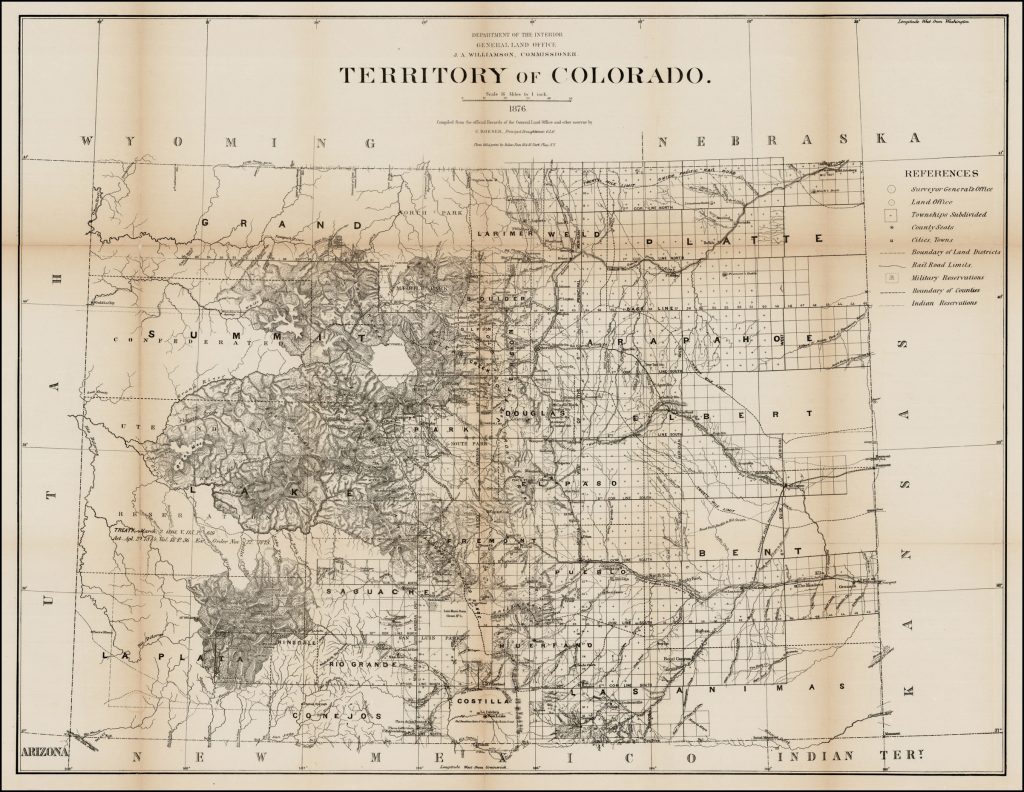
The State of Colorado — where I live — has a complex history. It became the 38th state when it joined the Union in 1876, one hundred years after the signing of the Declaration of Independence. That’s why it calls itself the Centennial State.
The eighth-largest state, it’s some 104 thousand square miles. Divided east/west by the Rocky Mountains, it has something like five weather zones. The weather can be severe. A couple of years ago, we had thirty-five feet of snow. As I write this, it’s snowing, hopefully not that much.
Native peoples, the Ute, Arapaho, Cheyenne, Navajo, Apache, and Pueblo, all called the area home.
Near our land are two tall fire-blackened tree stumps, which the Forest Service informed me are the remnants of a Ute attempt (late 19th century) to burn out the Anglos who had taken over their land.
Early on, the area would be claimed by a variety of European powers, Spain, England, France, and even Russia. Except for Spain, such claims were often based on geographic ignorance.
Some of the land entered the territorial domain of the United States with the 1803 Louisiana Purchase from France. Even at that, the Purchase had as its southern border (Mexico) the Arkansas River, which cut through the city of Pueblo. Until recent times, the river was still a cultural divide for the modern city, Hispanic to the south, Anglo to the north.
The rest of the territory entered the orbit of America as a result of the 1848 war with Mexico.
In the early years, the area was known for its heavy trapper culture, with beaver pelts the principal quest. Just a few miles near where I live, I can show you a beaver dam, and now and again a beaver.
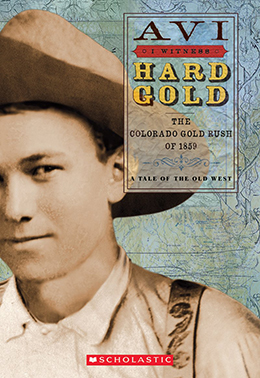
Colorado began to enter the consciousness of America with the gold rush of 1859, the one with the slogan, “Pikes Peak or Bust.” That rush was indeed a bust, but a subsequent strike proved out, and mining became the early cause of major population growth. Just below where I live are the remnants of gold mining towns, Hahn’s Peak, and a charming tourist destination known as “The Historical Cabins of Columbine.”
The land my wife and I own (nine thousand feet up in the Rocky Mountains) is pockmarked by large, deep holes — made by dynamite — by prospectors looking for gold. I have gone gold panning in some of the area’s beautiful mountain creeks and panned up some tiny grains of the bright stuff.
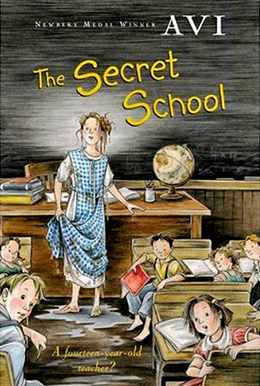
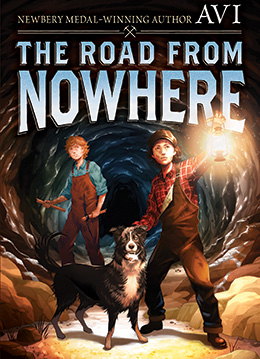
I find all this history quite fascinating, so it has — no surprise — led me to write a number of works of fiction.