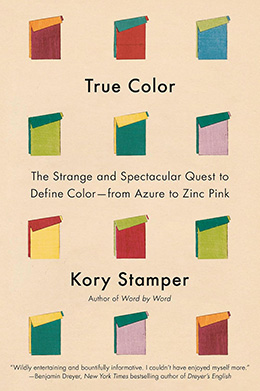
 My thinking about words today came about because I read a book review (not the book) titled: True Color: the Strange and Spectacular Quest to Define Color — from Azure to Zinc Pink.
The book, written by lexicographer Kory Stamper, is about the difficulty of defining color words.
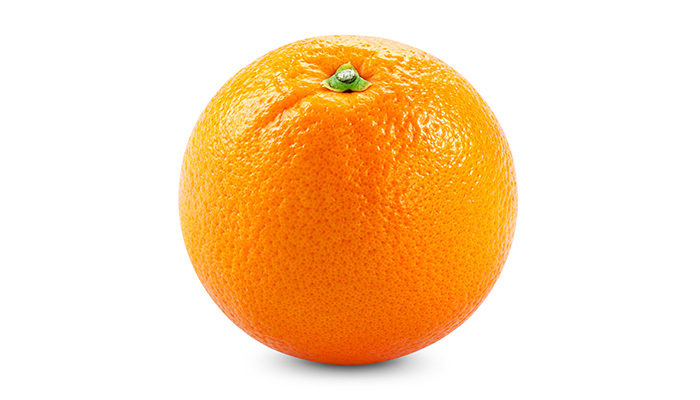
An example: Orange.
One dictionary I checked defined that word as “A bright color between red and yellow in the visible spectrum — like a sunset or autumn leaves.”
Fine, except where we live, our vivid sunsets are mostly red, as are the autumn leaves of the aspen tree.
Another dictionary defined orange as “The color of a ripe orange.”
I receive Webster’s “Word of the Day” e‑mails (free.) As it happened, today’s word — Glaucous — is one that I never knew.
“Glaucous as a color word can describe things of two rather different shades: a light bluish-gray or bluish-white color, or a pale yellow green. It can also mean “having a powdery or waxy coating that gives a frosted appearance and tends to rub off.”
Please note that “or” and “can also mean.”
Most interesting to me is that Stamper’s book apparently leads to the conclusion that words only really have meaning when put in context. That is, yes, words are enormously important, but they only communicate to us when used in a sentence or paragraph — clearly spoken or written.
Which is what I try to do every day.