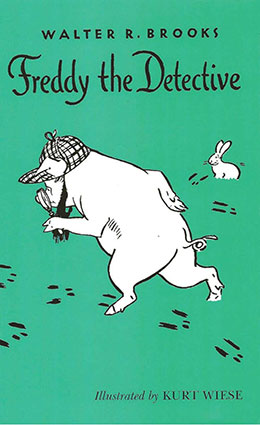
 I am not sure when I came upon the Freddy the Pig books (by Walter B. Brooks, 1886–1958) but I suspect they were the first series books I read in any number. Why I, a New York City boy, found these mildly humorous anthropomorphic tales of farmyard animals holding my attention, I’m not sure, but they surely did. There were 26 in the series. I read a lot of them.
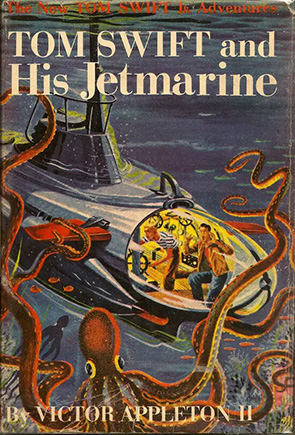
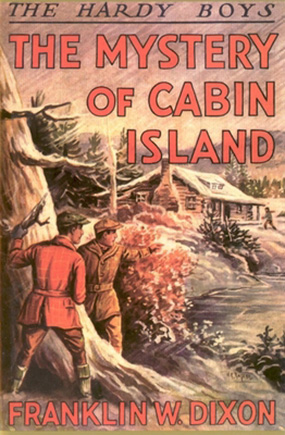
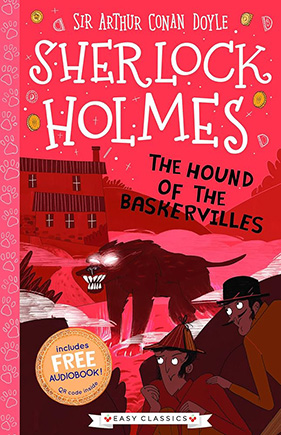
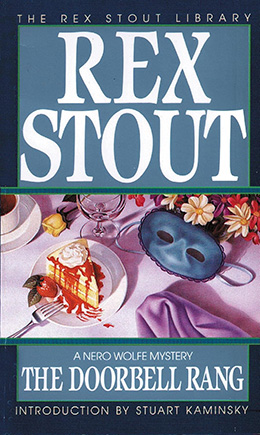
Afterwords I moved on up to other series, Tom Swift, The Hardy Boys. At some point, I graduated to read Conan Doyle’s Sherlock Holmes stories. It was an easy reading step to engage with mysteries, which is how I came upon Rex Stout’s (1886–1958) thirty-three Nero Wolfe detective stories. As a teenager, I read a good many of them, intrigued by the detecting skills of Nero Wolfe, but much more caught up by his sidekick, the wisecracking, vaguely tough guy, Archie Goodwin, who narrates the stories.
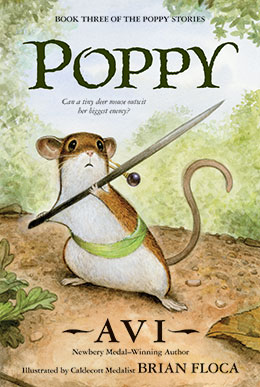
I have written only one true series — the seven Poppy books. It’s worth saying — in this context of this essay — that the only reason I could write them was because I, as the author, was very comfortable with the characters. More than that, I loved writing about them. I loved Poppy. I loved Ereth. I loved Ragweed. And so forth. They made me smile.
It’s easy to be dismissive of series books. But in regard to kids reading them, that they bring comfort is the best reason to encourage their reading. Book reading as comfort. Not a bad notion.
As for that Nero Wolfe mystery I found in the bookstore, I brought it home, and I’m looking forward to reading it with pleasure.
What series did you read?
1 thought on “Series”
My kids and I enjoyed your Poppy series, plus The Chronicles of Narnia and The Little House on the Prairie books. Great read aloud options!
As a child, I devoured Nancy Drew and The Baby-sitter’s Club books. I’m currently on book 6 (out of 12) of the Poldark Saga by Winston Graham. I love when authors mesh their book worlds, like Madeleine L’Engle overlapping characters from her Austin family books with The Wrinkle in Time quartet. Old friends, indeed!