Avi’s Summer Blog Series 2026
Joyce Sidman
From Avi: Just as we’ve done for the last four summers, 2025 through 2022, I’ve invited 13 admired authors to write for my blog throughout the summer. I hope you’ll tune in each Tuesday to see who answered this year’s question, which we hope provides you and the young people in your life with inspiration. Whether you already read these authors’, poets’, and illustrators’ books or we’re introducing them to you, we trust you’ll find new books to read!
What advice can you give so I can become a writer? a poet?
Find Your Voice
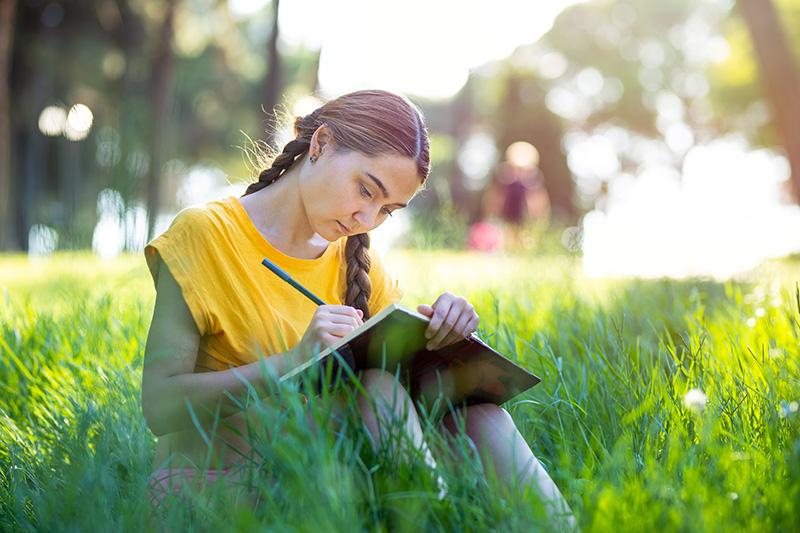
The first thing I would say is: if you wish to become a writer, sit down and write. Whenever you can. Fit it in around your friends and sports and classes. It doesn’t have to be every day, but get into the habit of expressing yourself in written words. Collect words you like and try them out in different kinds of sentences. Write down random phrases that come to you out of the blue. Write what you can’t say out loud. Write about what’s bothering you or what you feel proud of. You are finding your voice — a voice that will grow and change and strengthen your whole life.
Enjoy the Process
Wonderful books do not come straight out of writers’ heads. Good writing takes a lot of thought, a lot of experimentation, a lot of revision. But to a writer, the work is the reward. We writers love words and their power, their sparkle, their playfulness. The way they can conjure up worlds or express what’s in our hearts. We love the very beginning of a project, when we are dreaming of what we will do. We love the middle of a project, when we’re not quite sure what we’re doing, and we’re trying out different ways to express ourselves. And we love the ending, when we finally see how everything ties together. Does this process always go smoothly? No. We gnash our teeth and complain loudly and give up. But we always start again. Why? Because we enjoy the process of writing.
Ask a Question — Then Answer It
The world is wondrous and confusing, and we often write to try and understand it. I think every piece of writing starts with a question—Why am I feeling this way? Why is that person doing that? Why are ocean creatures so mysterious? What if fish had the same emotions we do? What does it mean to be a friend?
Here are some of the questions that started my books:
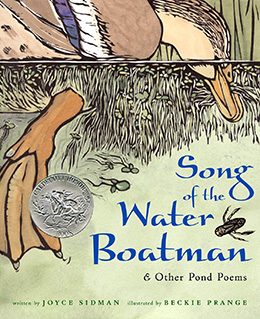
- What lives in that pond, and what is it like for them? (Song of the Water Boatman and Other Pond Poems)
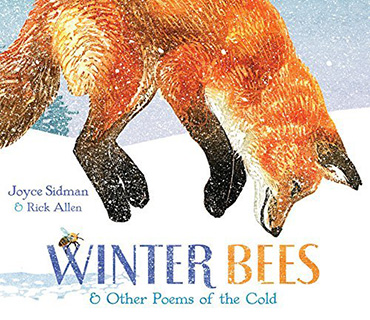
- How do animals survive in the bitter cold? (Winter Bees and Other Poems of the Cold)
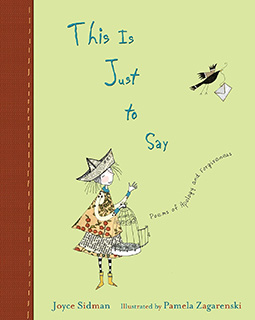
- What do we wish we had done differently? (This Is Just to Say: Poems of Apology and Forgiveness)
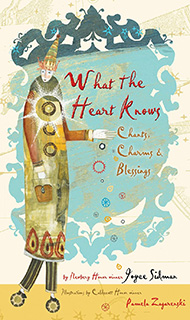
- Can certain kinds of words give us courage and hope? (What the Heart Knows)
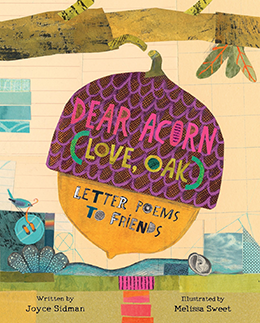
My most recent book, Dear Acorn (Love, Oak), began with two different questions. A new grandchild had just come into my life, and I wondered: what is it like for him to be that little, and to experience everything for the first time? I was also trying to figure out how to be a grandma — how to be the “big” person with someone so small. I wrote Dear Acorn to figure out how big and small things can help each together. And I did it by giving everyday objects their own voices in a series of back-and-forth poems.
My Voice is Poetry — What’s Yours?
I’ve been writing poetry since I was ten years old. I love capturing moments in just a few vivid words or images. For me, it’s not about telling the whole story; it’s more about using sensory details like sights, smells, and sounds to show readers a new way of looking at the world. I also love to write from different points of view, and the fun of writing Dear Acorn was writing “letter poems” from one object (like a button) to another (like a coat). Have you ever pretended you are someone or something else? Writing letter poems is a great way to experiment with your voice.
Just Keep Going
Whatever your voice and whatever your interests, just keep writing. It’s never too early or too late to start. If you read something you really like, figure out why you like it. Then experiment and try to write something similar. If there are days you don’t feel like writing, don’t worry. Keep your eyes open and explore the world around you. Soon you’ll notice something that sparks a question or an idea. Turn it over in your head. Then sit down and write. We’re waiting to hear what you have to say.
Particulars
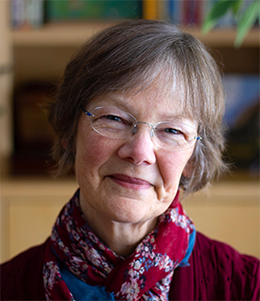
Joyce Sidman is the author of over 20 award-winning children’s poetry books, including the Newbery Honor-winning Dark Emperor and Other Poems of the Night, and two Caldecott Honor books. Her book The Girl Who Drew Butterflies: How Maria Merian’s Art Changed Science won the 2019 Robert F. Sibert Medal. Joyce also received the NCTE Award for Excellence in Children’s Poetry for her body of work. In her home state of Minnesota, she teaches poetry writing to school children and often walks through the woods.
2 thoughts on “2026 Summer Blog Series: Joyce Sidman”
Lovely, smart, true.
What delightful inspiration from Joyce Sidman. Thank you for sharing her insights to writing, poetry especially!