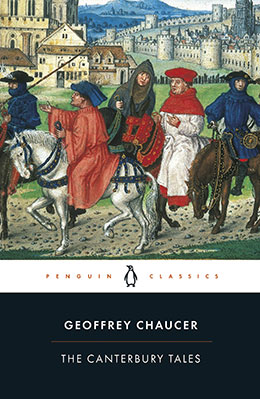
 In the English language you can go to the Fourteenth Century and find The Canterbury Tales by Chaucer. And those tales were not the earliest English short stories.
The early American tradition includes writers such as Washington Irving, Nathaniel Hawthorn, Mark Twain, and the highly influential, Egar Allan Poe, who (in the 1840s) set down what a short story should be, while writing some of the most famous ones. The mid-1920s — before television existed — was the absolute peak of the print magazine era in the United States and they published the short fiction that was the primary form, so it has been claimed, of popular entertainment. Think of O. Henry, Fitzgerald, Lardner, Thurber, Anderson, Benchley, to name just a few writers from that time who pop into my mind.
I enjoy reading short stories because they can induce long thoughts. If I have had a long, problematical day, I like nothing better than, when going to bed, picking up a collection of short stories, reading one and then pondering someone else’s life entanglement just enough to shuffle off to sleep.
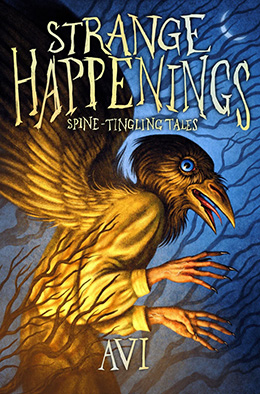 All these thoughts come to the fore because I have just published a collection of short stories titled Strange Happenings. The story — if you will — of the book’s evolution is anything but short. Indeed, it has the strangest, and longest publication history of any book I have ever created.
I will tell that story in my next blog post, next Thursday.